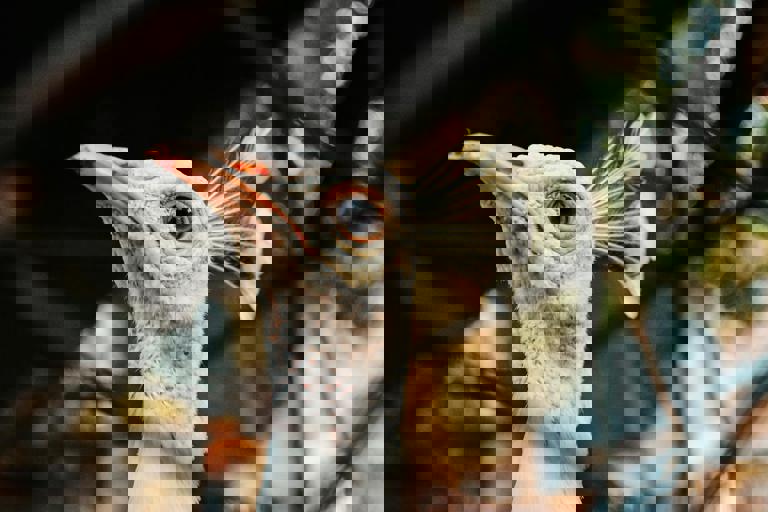
An unexpected guest recently brought a wave of excitement to an urban park, drawing a large crowd of birdwatchers, photographers, and curious locals. The commotion began when a rarely seen bird species—normally elusive in city environments—was spotted perched among the trees. This unexpected appearance quickly generated buzz within the birdwatching community, with enthusiasts sharing news and images across social media platforms, sparking a citywide interest in urban biodiversity.
The species in question, known for its distinctive plumage and unique migratory patterns, is seldom observed in metropolitan areas. According to ornithologist Dr. Joanna Reed, "Such sightings are considered extraordinary and present an invaluable opportunity for both professional scientists and amateur birders." The unexpected visit not only provided a rare photographic subject, but also offered opportunities for elevation in awareness regarding the fragile nature of urban ecosystems.
Within hours of the first sighting, enthusiasts arrived in droves, armed with binoculars, cameras, and field guides. Local birdwatching groups reported a significant increase in attendance at their regular meetups, as even novice birders sought a glimpse of the seldom-seen guest. Park rangers noted a marked uptick in park visitors, many of whom had traveled considerable distances for a chance to witness the bird firsthand.
Photographer Melanie Li, who often documents urban wildlife, reflected on the excitement: "Capturing such a rare species in the heart of the city is a dream for many of us. It's a reminder that nature can surprise us right on our doorstep." Her striking photographs have been widely shared online, further fueling the fascination and drawing more people to the park.
Experts believe that the unexpected appearance of this particular bird may be connected to recent shifts in migratory behavior, likely influenced by climate change and habitat loss elsewhere. Dr. Reed notes, "When habitats up north are disrupted, some species alter their traditional routes. Urban parks, though not ideal, can sometimes offer a temporary refuge." This insight has fueled discussions on the importance of habitat preservation for migratory birds.
Local conservation organizations have seized the moment to amplify their campaigns for urban wildlife protection. Representatives from the City Bird Conservation Alliance have been distributing informational pamphlets at the park, highlighting steps individuals can take to minimize disturbances to wildlife and advocating for stronger protections of green spaces. Volunteer recruitment has seen a notable surge, according to Alliance director Mark Ellis.
This surge of public interest has also boosted educational programming in local schools, with teachers incorporating lessons about bird species and the importance of biodiversity into their curriculums. Several nature centers have scheduled special workshops, guided walks, and guest lectures to capitalize on the momentum. "Curiosity sparked by such events can lead to a lifelong appreciation for nature and conservation," says nature educator Fiona Hart.
City officials have responded positively to the increased park usage and are looking at ways to accommodate larger crowds while ensuring minimal impact on park habitats. Park manager Lalit Batra explains, "We want people to enjoy the experience without placing undue stress on the wildlife." Measures under consideration include enhanced signage, visitor guidelines, and temporarily restricting access to especially sensitive areas where the bird has been spotted.
As the days passed, the rare sighting continued to capture the imagination of city dwellers and visitors alike, with many expressing how the experience reshaped their perception of urban green spaces. Local resident Priya Singh shared, "I never thought such beautiful wildlife could thrive in the city. It's eye-opening and makes me want to do more to protect these environments."
While the rare bird will likely soon resume its journey, the impact of its visit is expected to linger. Many hope that the excitement of this sighting will serve as a catalyst for ongoing engagement with urban nature and support for local conservation projects. If the surge of interest leads to meaningful action, the fleeting guest’s presence could leave a lasting positive legacy for both people and wildlife in the area.