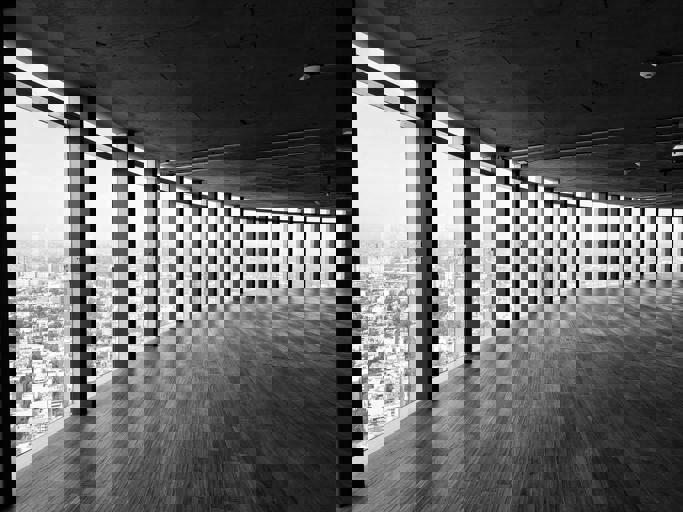
A dramatic transformation is unfolding across the skylines of Canadian cities as office towers, once regarded as vital hubs of economic activity, now grapple with historically low occupancy rates. The pandemic-accelerated shift to remote and hybrid work models has left downtown office spaces half empty, raising pressing concerns for commercial landlords, property managers, and urban planners who must navigate uncharted territory.
According to a recent report from the CBRE Group, office vacancy rates in major Canadian cities reached a record high of 18.7% in early 2024. This figure marks a significant jump from the pre-pandemic average, which hovered around 11%. The data underscores how quickly workplace norms have evolved, with traditional expectations around in-person presence giving way to more flexible arrangements.
Businesses across diverse sectors are re-evaluating their real estate portfolios as a cost-cutting measure and a response to employee preferences. Many firms are downsizing their leased space or opting for shorter-term agreements, uncertain about future requirements. "We’ve found that our workforce is just as productive from home or in a hybrid setting," said Erin Wong, HR director at a major tech firm, reflecting a sentiment voiced by many corporate leaders.
This trend presents a formidable challenge to property owners, who face declining rental incomes and a mounting backlog of vacant office suites. According to the Real Property Association of Canada, revenue from commercial office leases fell by approximately 20% in the past year. The shift has prompted a rush to innovate, with landlords offering flexible leases, upgraded amenities, and even wellness programs to attract tenants and stem the tide of vacancies.
For small businesses and startups, the drop in demand presents both obstacles and opportunities. While lower rents make high-profile downtown addresses more accessible, the uncertainty surrounding long-term space needs has created hesitation. "We're excited by the lower prices, but hesitant to commit for more than a year given the market volatility," said John Patel, co-founder of a local marketing agency.
The declining demand for office space is having a ripple effect on related industries as well, including downtown restaurants, coffee shops, and retailers that have traditionally relied on office workers for steady foot traffic. Many establishments are reporting sales well below their pre-pandemic levels, sparking concerns about the future vibrancy of urban commercial districts and the economic health of city centres.
Municipal governments, too, are feeling the strain. Reduced occupancy has translated into lower property tax revenues, which municipalities depend on to fund vital services and infrastructure. In some cases, city officials are considering tax incentives or zoning changes aimed at encouraging the adaptive reuse of struggling office buildings, such as converting them into residential apartments or mixed-use developments.
Experts suggest that this could be a pivotal moment for urban renewal. "We're seeing a once-in-a-generation opportunity to reimagine the role of our downtowns," said Dr. Celeste Harrison, an urban planner. She advocates for creative conversions of office spaces into affordable housing, community centres, or cultural venues, which could help revitalize downtown areas while meeting crucial urban needs.
The transition is not without its challenges. Converting office towers into livable spaces often involves substantial regulatory, logistical, and financial hurdles. Retrofitting buildings to meet residential safety codes, for instance, can be both expensive and time-consuming. Nonetheless, some projects are already underway, offering possible blueprints for the future transformation of city cores.
Meanwhile, remote work trends show little sign of reversing. According to a 2024 Statistics Canada survey, nearly 30% of workers say they would consider changing jobs if asked to return to the office full-time. The survey also found that flexible work arrangements are now a top priority for job seekers, influencing recruitment and retention strategies across industries.
For commercial real estate firms, the stakes are high. Long-term viability depends on how quickly they adapt to shifting demands and leverage the opportunity for innovation. Strategies such as shared workspaces, high-tech facilities, and sustainable building features have become key differentiators in marketing available spaces to potential tenants.
As the market continues to evolve, industry observers believe the ultimate impact will be multifaceted. While some predict short-term pain and a slow recovery for office landlords, others see the potential for a vibrant, diversified downtown economy. What is clear is that the era of the traditional office is being rapidly redefined, with far-reaching implications for Canadian cities, businesses, and workers alike.